
Subsidence Blog

Expert advice, detailed guides, and practical insights to help Devon property owners understand and deal with subsidence.

7 Warning Signs of Subsidence Every Devon Homeowner Should Know

Subsidence is one of the most serious structural problems a property can face, but catching it early can make the difference between a straightforward repair and a major construction project. Here are the seven warning signs every Devon homeowner should know.

The most obvious sign is diagonal cracking around windows and doors. These cracks typically start narrow at one end and widen towards the other, often appearing above door frames or at window corners. While hairline cracks in plaster are common and usually harmless, cracks wider than 3mm that follow a diagonal pattern should be investigated by a structural engineer.

Doors and windows that suddenly start sticking or won't close properly are another common early indicator. As foundations move, the frames distort and the openings are no longer square. If a door that previously opened and closed freely now catches or won't latch, this could indicate ground movement beneath your property.

Gaps appearing between walls and ceilings or walls and floors suggest that different parts of the building are moving at different rates. Look particularly at the junction between internal walls and external walls, as these are often built on separate foundations that may settle differently.

Cracks where an extension meets the main building are particularly telling. Extensions often have shallower foundations than the original building, making them more vulnerable to ground movement. If you see cracking along this junction, it's worth getting a professional opinion.

Wallpaper wrinkling or tearing at wall-ceiling junctions can indicate movement that isn't yet visible as a crack. The paper or paint acts as a flexible layer that stretches before the underlying masonry shows visible damage. This can be an early warning sign that allows you to act before the problem becomes more serious.

Rippling or cracking in external brickwork or render suggests movement in the wall structure. Look for stepped cracks that follow the mortar lines in brickwork, as these are characteristic of subsidence rather than settlement or thermal movement.

Finally, uneven or sloping floors can indicate that the foundations at one side of your property have settled more than the other. Place a ball on the floor — if it consistently rolls in one direction, your floor may no longer be level.

If you notice any of these signs at your Devon property, don't panic but don't ignore them either. Contact Devon Subsidence for a free assessment. Our structural engineers can quickly determine whether the symptoms indicate active subsidence or are caused by something less serious. Early action almost always leads to simpler, less expensive solutions.

Devon properties are particularly vulnerable to subsidence because of the county's varied geology. Clay soils in areas like Exeter, Newton Abbot, and Cullompton shrink during dry weather, pulling away from foundations. Mature trees — common across Devon's established residential areas — extract moisture from clay soils, accelerating this process. Coastal properties in Torquay, Exmouth, and Dawlish face additional challenges from sand and soft coastal soils. Understanding these local risk factors helps you stay vigilant and act quickly when warning signs appear.

Need help with subsidence at your Devon property? Request a free assessment or learn more about our underpinning services, foundation repairs, and structural surveys.
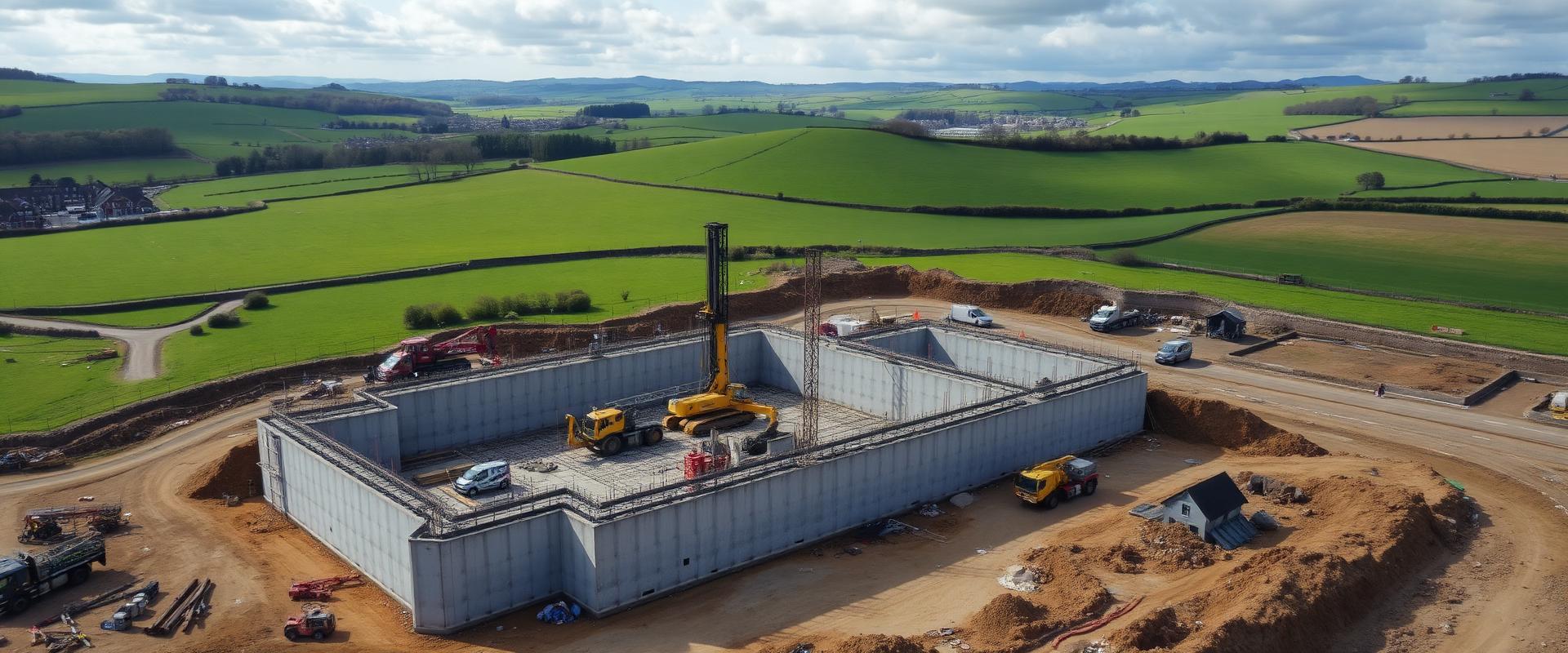
How Tree Roots Cause Subsidence in Devon Properties

Devon is home to some of England's most beautiful mature trees — ancient oaks, towering beeches, stately willows, and elegant limes line streets, fill gardens, and grace the county's parks and countryside. But while these trees are a cherished part of Devon's landscape, their root systems can pose a serious threat to property foundations.

Tree root subsidence is one of the most common causes of structural damage in Devon. It occurs when tree roots extract moisture from clay soils beneath or near your property's foundations. As the clay dries out and shrinks, the ground beneath your foundations contracts, causing them to settle unevenly. The result is cracking, distortion, and if left untreated, significant structural damage.

The risk is greatest during dry summers and after prolonged dry spells, when trees increase their water uptake to survive. A single mature oak tree can extract over 1,000 litres of water from the soil per day during peak summer — enough to cause significant shrinkage in clay soils within its root zone. Devon's climate, with its warm summers and periods of drought, creates ideal conditions for this type of subsidence.

Not all trees pose equal risk. The species most commonly associated with subsidence in Devon include oak, willow, poplar, ash, and elm. These species have extensive root systems that can spread well beyond the canopy of the tree. As a general rule, tree roots can extend to a distance equal to the height of the tree, sometimes further. This means a 20-metre oak tree could have roots affecting foundations up to 20 metres away.

Many of Devon's most problematic trees are protected by Tree Preservation Orders (TPOs) or are located in conservation areas, which means they cannot simply be removed. This is where specialist solutions become essential. Root barrier installation is one of the most effective methods — a physical barrier is placed in the ground between the tree and the property, preventing roots from growing towards the foundations while allowing the tree to continue thriving.

Other management options include crown reduction (reducing the tree's canopy to decrease water uptake), selective root pruning, and in some cases, controlled tree removal with council permission followed by heave protection to prevent the soil swelling back as it rehydrates.

If you suspect tree-related subsidence at your Devon property, early action is crucial. Our arboricultural consultants and structural engineers work together to identify the problem tree, assess the damage to your property, and recommend the most appropriate solution that protects both your home and Devon's valuable trees. Contact us for a free assessment — we'll help you find the right balance between preserving your trees and protecting your property.

For more information about our specialist services, see our pages on tree root barrier installation, underpinning services, and ground stabilisation. We cover all areas of Devon including Exeter, Plymouth, Torquay, Newton Abbot, and Barnstaple.

Need help with subsidence at your Devon property? Request a free assessment or learn more about our underpinning services, foundation repairs, and structural surveys.

A Complete Guide to Subsidence Insurance Claims

Making an insurance claim for subsidence can feel overwhelming, especially when you're already dealing with the stress of structural damage to your home. This comprehensive guide walks you through every stage of the process, from first noticing damage to getting your repairs completed and paid for.

The first step is to contact your buildings insurance provider as soon as you suspect subsidence. Most policies require you to notify your insurer promptly — delays can complicate your claim. When you call, explain what you've noticed (cracks, sticking doors, etc.) and ask them to register a subsidence claim. They'll assign a claim reference number and explain their process.

Your insurer will typically appoint a loss adjuster to visit your property and assess the damage. The loss adjuster works for the insurance company and will determine whether the damage is consistent with subsidence. They may also arrange for monitoring — small glass or plastic tell-tales are placed across cracks to measure any ongoing movement over several months.

This is where having an independent structural engineer's report becomes invaluable. While your insurer will send their own assessors, an independent report from a qualified structural engineer provides an unbiased professional opinion that can support your claim. Our network includes chartered structural engineers who regularly prepare reports for insurance purposes and understand exactly what evidence insurers need to see.

Most standard buildings insurance policies cover subsidence damage, but there are important details to understand. The standard excess for subsidence claims is typically £1,000 — significantly higher than the excess for other types of claim. This means you'll pay the first £1,000 of the repair costs yourself. However, for significant subsidence repairs, this excess is usually a small fraction of the total cost.

Your policy may exclude certain items. Boundary walls, fences, garden paths, and driveways are often not covered, or may be covered with separate limits. Properties with previous subsidence may have specific exclusions or endorsements on their policy. If you're unsure about your cover, ask your insurer to confirm exactly what's included before you proceed.

The claims process typically follows this timeline: notification and registration (week one), loss adjuster visit (weeks two to four), monitoring period if required (three to twelve months), approval of repair methodology (one to two months after monitoring), repair work (two to eight weeks depending on scope), and final sign-off and settlement. The total process can take anywhere from a few months to over a year for complex cases.

Tips for a successful claim include documenting everything with photographs and dates, keeping all correspondence from your insurer, getting an independent structural engineer's report early, being present for all site visits, and asking your specialist contractor to provide detailed specifications that match your insurer's requirements.

Devon Subsidence can support you through every stage of this process. Our specialists provide the professional reports, photographic evidence, and technical documentation that insurers need. Many of our customers have had their entire repair costs covered by their buildings insurance — the key is providing the right evidence from the start. Contact us for a free assessment and we'll guide you through the claims process alongside addressing your property's structural needs.

Need help with subsidence at your Devon property? Request a free assessment or learn more about our underpinning services, foundation repairs, and structural surveys.

Further Reading

Our blog covers the most common questions and concerns we hear from Devon property owners. For more detailed information about specific services, visit our dedicated service pages where you'll find comprehensive guides to each type of subsidence repair, including FAQs, process explanations, and coverage areas.

Worried about subsidence? Get expert help today.

Request a Callback